quadra fire 1200 pellet stove manual
Quadra-Fire 1200 Pellet Stove Manual: Article Plan
This comprehensive guide details the Quadra-Fire Classic Bay 1200 pellet stove, covering installation, operation, maintenance, troubleshooting, and regulatory compliance information.
The Quadra-Fire Classic Bay 1200 pellet stove represents a commitment to efficient and reliable home heating. Manufactured by Hearth & Home Technologies, this model, including the 1200i variant, is designed to meet stringent U.S. Environmental Protection Agency (EPA) emission standards established after May 15, 2015.
This stove offers a blend of classic aesthetics and modern technology, providing both warmth and visual appeal. Understanding its features and proper operation, as detailed in the official manual (available as a PDF from resources like Hearth.com), is crucial for maximizing performance and ensuring safe usage. Regular inspection and maintenance, as outlined in the documentation, are essential for continued optimal function.

Understanding the Manual’s Importance
The Quadra-Fire Classic Bay 1200 pellet stove manual is not merely a guide, but a critical resource for safe and effective operation. It details essential information regarding installation, ensuring adherence to hearth requirements and proper ventilation system setup.
Furthermore, the manual outlines crucial safety precautions, preventing potential fire hazards and ensuring responsible use. It provides detailed troubleshooting steps for common issues like ignition failures or pellet feed problems, alongside explanations of error codes. Ignoring the manual’s instructions could void the warranty and, more importantly, compromise safety. Accessing the manual, often available as a PDF online (ManualsLib, Quadra-Fire.com), is paramount.
Safety Precautions
Prioritizing safety is paramount when operating a Quadra-Fire Classic Bay 1200 pellet stove. The manual explicitly warns against operating the stove in a manner inconsistent with its instructions, a violation of federal regulations. A key precaution involves regular inspection and repair to maintain proper functionality and prevent malfunctions.
The manual highlights a potential fire hazard, emphasizing the need to inspect appliance components diligently. Damaged parts must be reported to a dealer immediately. Proper packing and inspection upon delivery are also crucial. Always ensure adequate ventilation and never obstruct airflow. Following these guidelines ensures a safe and efficient heating experience.
Component Identification
Understanding the various components of the Quadra-Fire Classic Bay 1200 is essential for proper operation and maintenance. The manual details both exterior and interior parts, though specific breakdowns aren’t fully provided in the snippets. Expect identification of key elements like the hopper, burn pot, exhaust system, and control panel.
Inspection of all parts, including glass components, upon delivery is crucial, as noted in documentation from September 1, 2008. Recognizing these components allows for effective troubleshooting and ordering of replacement parts when needed. A detailed parts list, typically found within the full manual, aids in this process.
Stove Exterior Components
The Quadra-Fire Classic Bay 1200’s exterior features a robust construction designed for efficient heating and aesthetic appeal. While specific details aren’t fully outlined in the provided snippets, expect to find descriptions of the stove’s casing, door (including glass panel), hopper lid, and control panel access.
Initial inspection upon unpacking, as highlighted in documentation from September 1, 2008, should include checking for damage to these exterior parts. The manual likely details the function of each exterior component, aiding in understanding the stove’s overall operation and facilitating basic maintenance tasks like glass cleaning.
Interior Component Overview

The internal workings of the Quadra-Fire Classic Bay 1200 are crucial for efficient pellet combustion and heat distribution. Though detailed schematics aren’t present in the provided excerpts, the manual likely illustrates key components like the firepot, auger (responsible for pellet feed), blower fan, and exhaust system.
Understanding these parts is vital for troubleshooting issues like pellet feed problems or ignition failures. The September 1, 2008 documentation emphasizes inspecting all components, suggesting the manual provides a comprehensive overview. Proper function of these interior elements ensures optimal performance and adherence to EPA emission standards.
Installation Guidelines
Proper installation of the Quadra-Fire Classic Bay 1200 is paramount for safety and performance, as outlined in the official manual. Key considerations include adhering to specific hearth requirements to protect surrounding materials from heat. The documentation stresses the importance of a correctly installed ventilation system, ensuring proper exhaust of combustion gases.
The manual likely details necessary clearances from combustible materials and specifies approved venting components. Following these guidelines guarantees compliance with regulations and prevents potential fire hazards. Always consult the complete manual and local building codes before beginning installation.
Hearth Requirements
The Quadra-Fire Classic Bay 1200 necessitates a non-combustible hearth extending a specific distance in front of and to the sides of the stove; This protective layer safeguards flooring from embers and radiant heat, preventing potential fires. The manual details precise dimensions, varying based on wall proximity and stove model (CB1200 or CB1200i).

Acceptable hearth materials include tile, brick, or stone installed over a non-combustible base. Avoid carpeting or wood flooring directly beneath the stove. Proper hearth installation is crucial for safe operation and adherence to regulatory standards, as outlined in the documentation.
Ventilation System Installation
Proper ventilation is paramount for safe and efficient Quadra-Fire Classic Bay 1200 operation, requiring a dedicated air intake and exhaust system. The manual specifies approved venting components, typically utilizing double-wall stainless steel venting, ensuring proper draft and preventing carbon monoxide buildup.
Installation must adhere to local building codes and manufacturer guidelines, including clearances to combustibles. Incorrect venting can void the warranty and create hazardous conditions. The manual details precise venting configurations, including maximum vent lengths and required termination heights, crucial for optimal performance and safety;
Operating Instructions
The Quadra-Fire Classic Bay 1200’s operation is controlled via an intuitive interface, allowing users to adjust heat output and fan speed. Initial startup involves filling the hopper with approved pellets and initiating the auto-ignition sequence, as detailed in the manual.
Normal operation settings include selecting desired temperature levels and adjusting the feed rate to maintain consistent heat. The manual emphasizes the importance of using only recommended pellet fuels to prevent operational issues and ensure optimal efficiency. Regular monitoring of the pellet level and ash buildup is also crucial for sustained performance.
Initial Startup Procedure
Before the first use, ensure the pellet hopper is filled with approved fuel pellets. The Quadra-Fire Classic Bay 1200 requires a specific startup sequence to prime the auger and ignite the pellets. This involves powering on the stove and selecting the ‘Startup’ or ‘Ignition’ mode on the control panel.
The stove will automatically begin feeding pellets and initiating the ignition process. Monitor the stove during this phase, ensuring proper pellet flow and flame development. Refer to the manual for specific error codes that may appear during startup, and address any issues promptly. A successful startup is indicated by a stable flame and consistent heat output.
Normal Operation Settings
The Quadra-Fire Classic Bay 1200 offers adjustable settings for heat output and fan speed. Users can typically select from multiple heat levels – low, medium, and high – to achieve desired room temperatures. Fan speed controls regulate the distribution of warm air, impacting heating efficiency and comfort.
The control panel allows for programming schedules, enabling automated operation based on time of day and user preferences. Regularly monitoring pellet consumption and adjusting settings accordingly optimizes performance. Maintaining a consistent pellet supply is crucial for uninterrupted heating. Refer to the manual for detailed explanations of each setting and its impact on stove operation.
Maintenance Schedule
Consistent maintenance ensures optimal performance and longevity of your Quadra-Fire Classic Bay 1200. A regular schedule prevents issues and maintains efficiency. Daily tasks include emptying the ash pan and visually inspecting the burn pot for obstructions. Weekly checks involve examining the vent pipe for creosote buildup and verifying proper fan operation.
Monthly, inspect door gaskets for airtight seals and clean the glass with approved cleaner. Annual servicing by a qualified technician is recommended, including a thorough cleaning of internal components and a safety inspection. Adhering to this schedule, detailed in the manual, guarantees safe and reliable operation.
Daily Maintenance Tasks
To maintain peak performance, several daily tasks are crucial for your Quadra-Fire Classic Bay 1200. Primarily, empty the ash pan each day, or more frequently with heavy use, to prevent buildup and ensure proper airflow. Visually inspect the burn pot, removing any unburnt pellets or debris that may obstruct ignition or combustion.
A quick check of the glass for soot accumulation is also recommended; wipe clean as needed. Ensure the hopper lid closes securely to prevent moisture from affecting pellet quality. These simple, routine checks, outlined in the manual, contribute significantly to efficient and safe operation.
Weekly Maintenance Checks
Beyond daily tasks, weekly inspections are vital for the longevity of your Quadra-Fire Classic Bay 1200. Thoroughly examine the venting system for any obstructions or disconnections, ensuring proper draft and preventing carbon monoxide buildup – a critical safety check. Inspect the blower motor for dust accumulation, cleaning as necessary to maintain efficient heat distribution.
Check the pellet level in the hopper and ensure pellets are dry and free-flowing. Verify the operation of the safety features, like the high-limit switch. Refer to the manual for detailed instructions; consistent weekly maintenance prevents issues and optimizes performance.
Troubleshooting Common Issues
Addressing problems promptly ensures safe and efficient operation of your Quadra-Fire Classic Bay 1200. Common issues include failure to ignite, often due to low pellet levels, a faulty igniter, or blocked air intake. Pellet feed problems can stem from wet or clumpy pellets, a jammed auger, or issues with the feed motor.
Consult the error code section of the manual for specific diagnostics. Always disconnect power before attempting any repairs. If issues persist, contact a qualified technician; attempting complex repairs without expertise can be dangerous and void the warranty.
Stove Not Igniting
If your Quadra-Fire 1200 fails to ignite, several factors could be at play. First, verify sufficient pellet levels in the hopper and ensure they are dry and free-flowing. Check the igniter for proper function; a glowing igniter is crucial. Inspect the air intake for obstructions, as adequate airflow is essential for combustion.
Also, confirm the stove is receiving power and that the start-up sequence is completing correctly. Refer to the error code section in the manual for specific fault indications. If the problem persists, consult a qualified technician for assistance.
Pellet Feed Problems
Experiencing issues with pellet feed in your Quadra-Fire 1200? Several causes are possible. Damp or clumpy pellets can obstruct the auger, preventing consistent delivery to the burn pot. Inspect the auger tube for blockages and ensure the auger motor is functioning correctly. Verify the hopper is adequately filled, but not overfilled, to avoid bridging.
A clogged feed system or a malfunctioning feed motor can also disrupt pellet flow. Consult the manual’s troubleshooting section for specific error codes related to pellet feed. Regular cleaning of the auger and feed system is vital for optimal performance.
Error Codes and Their Meanings
The Quadra-Fire 1200 utilizes error codes to diagnose operational issues. Understanding these codes is crucial for effective troubleshooting. A “Low Pellet Level” code indicates the hopper requires refilling. “Overheat” signals a potential problem with the venting system or thermostat. “Auger Jam” suggests a blockage within the pellet feed mechanism, requiring inspection and clearing.
Refer to the manual’s dedicated error code table for a complete list and corresponding solutions. Ignoring error codes can lead to further damage or unsafe operation. Regularly checking for and addressing these codes ensures optimal stove performance and longevity.
Cleaning Procedures
Regular cleaning is vital for maintaining your Quadra-Fire 1200’s efficiency and safety. Daily, remove ash from the firebox, ensuring it’s completely cool before disposal into a metal container. Weekly, inspect and clean the glass door with a specialized pellet stove glass cleaner – avoid abrasive materials. Periodically, vacuum the pellet hopper to prevent dust buildup and ensure smooth pellet flow.
Annual deep cleaning includes inspecting the venting system for obstructions and cleaning the heat exchanger. Always disconnect power before any internal cleaning. Refer to the manual for detailed instructions and safety precautions during these procedures.
Ash Removal
Consistent ash removal is crucial for optimal Quadra-Fire 1200 performance. Allow the stove to completely cool before handling ash – it can retain heat for extended periods. Use a metal shovel and container specifically designed for ash disposal; never use a vacuum cleaner. Regularly empty the ash pan, typically daily or every few burns, depending on usage.
Dispose of ash responsibly, ensuring it’s fully extinguished and poses no fire hazard. Check local regulations regarding ash disposal. Avoid overfilling the ash pan, as this can impede proper operation. Proper ash management contributes to a safer and more efficient heating experience.
Glass Cleaning
Maintaining a clear glass view is essential for enjoying your Quadra-Fire 1200. Always ensure the stove is completely cool before cleaning the glass. Use a specialized pellet stove glass cleaner – abrasive cleaners can cause scratching and damage. Apply the cleaner to a soft cloth, not directly onto the glass.
Gently wipe the glass in a circular motion to remove soot and residue. For stubborn deposits, repeat the process or allow the cleaner to sit for a few minutes before wiping. Avoid excessive moisture, and dry the glass with a clean, dry cloth. Regular cleaning enhances visibility and aesthetics.
Parts List and Ordering Information
Obtaining replacement parts for your Quadra-Fire 1200 is crucial for maintaining optimal performance. A comprehensive parts list is typically included within the full owner’s manual, detailing component numbers and descriptions. For ordering, contacting an authorized Quadra-Fire dealer is recommended.
You can also find parts information and ordering options on the official Quadra-Fire website (www.quadrafire.com). When ordering, have your stove’s model number (Classic Bay 1200) and the part number readily available. Ensure compatibility before purchasing, and always follow safety guidelines when replacing components.
Warranty Information
Your Quadra-Fire Classic Bay 1200 pellet stove is covered by a limited warranty, protecting against defects in materials and workmanship. The specific terms and duration of the warranty can vary, so carefully review the warranty documentation included with your stove.
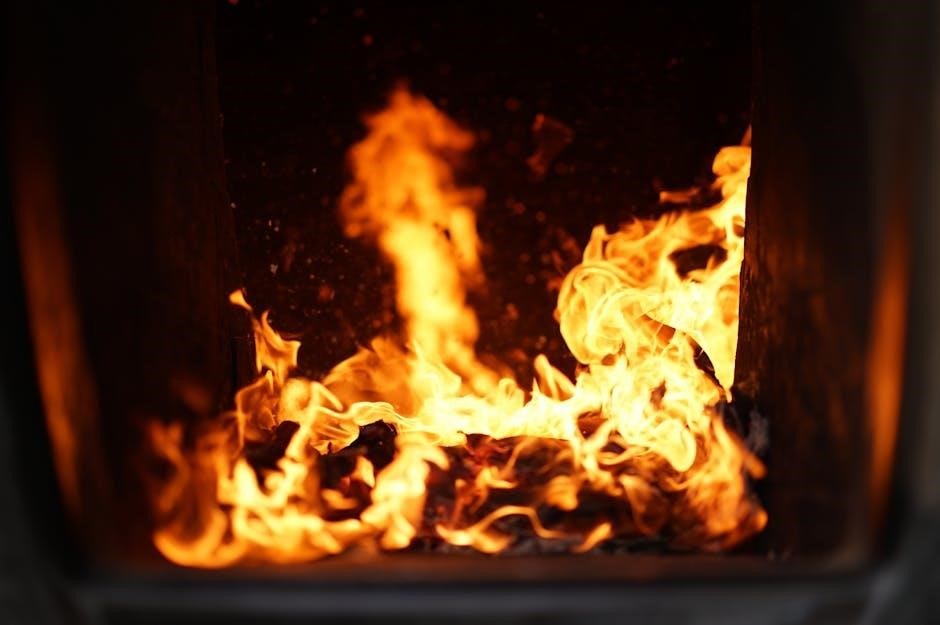
Typically, the warranty covers specific components for a defined period. Registration of your stove is often required to activate the full warranty benefits. Keep your proof of purchase and warranty registration information in a safe place. Contact Quadra-Fire or an authorized dealer for warranty claims and service.
Regulatory Compliance (EPA Standards)
The Quadra-Fire Classic Bay 1200 pellet stove is designed to meet stringent U.S. Environmental Protection Agency (EPA) emission standards for pellet heaters. These standards aim to reduce air pollution from wood-burning appliances.
Compliance ensures the stove operates cleanly and efficiently, minimizing particulate matter emissions. Operating the stove according to the manual’s instructions is crucial for maintaining EPA compliance. Modifications or improper use can void this compliance. Refer to the manual for details on approved fuels and operating procedures to ensure environmentally responsible heating.
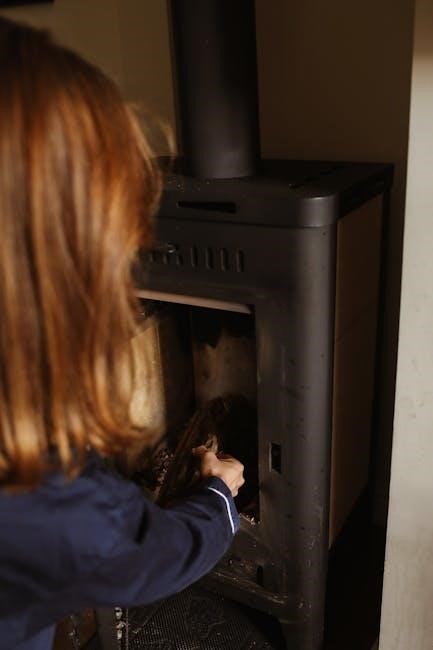
Contact Information for Support

For technical assistance, troubleshooting beyond the manual, or to locate a qualified Quadra-Fire dealer, several support avenues are available. Visit the official Quadra-Fire website at www.quadrafire.com for frequently asked questions, downloadable resources, and dealer locator tools.
You can also reach customer support directly via phone. Refer to the manual for the most current contact number, as it may vary. When contacting support, have your stove’s model number (Classic Bay 1200) and serial number readily available to expedite assistance. Prompt and informed support ensures optimal stove performance.
Manual Revision History (Dates & Updates)
Tracking manual revisions is crucial for ensuring users have the most accurate and up-to-date information regarding their Quadra-Fire Classic Bay 1200 pellet stove. Records indicate several updates over the years.
A significant revision occurred on April 1, 2016 (document 7014-179O), addressing EPA emission standards compliance for stoves sold after May 15, 2015. Earlier versions include September 1, 2008 (documents 7014-083E for inserts and 7014-082D for stoves). These updates likely incorporated design changes, safety enhancements, and clarified operating procedures. Always refer to the date on your manual to confirm its currency.