
brahma samhita pdf
The Brahma Samhita is an ancient Sanskrit text attributed to Brahma, detailing cosmic creation and philosophical truths․ It is a foundational scripture in Hindu spirituality, offering insights into the nature of the universe and the Absolute Truth․
1․1 Historical Background
The Brahma Samhita is an ancient Sanskrit text attributed to Lord Brahma, the creator deity in Hinduism․ It is considered one of the oldest and most revered scriptures, detailing the process of cosmic creation and the nature of the Absolute Truth․ The text is part of the Pancaratra tradition and is deeply connected to the worship of Krishna․ Historically, it has been a key scripture for various Hindu sects, particularly the Gaudiya Vaishnavism tradition, which was influential in Eastern India․ The samhita also contains philosophical discussions on the Trimurti—Brahma, Vishnu, and Shiva—and their roles in creation, sustenance, and destruction․ Its historical significance is further highlighted by its translation and commentary by prominent spiritual leaders, making it accessible to a broader audience․ Today, it remains a foundational text for understanding Hindu cosmology and theology․
1․2 Structure and Composition

The Brahma Samhita is structured into multiple chapters, each containing verses that explore various aspects of cosmic creation and divine philosophy․ The text is composed in Sanskrit, adhering to traditional poetic meters, which enhance its musical and meditative qualities․ Each verse is meticulously crafted to convey profound theological concepts, making it both a literary and spiritual masterpiece․ The samhita’s composition reflects its purpose as a guide for worship and meditation, with its verses often invoked in rituals and devotional practices․ The text’s structure is designed to gradually reveal the nature of the Absolute Truth, beginning with descriptions of the cosmic creation and culminating in the glorification of the Supreme Being․ This systematic approach makes it accessible for both scholars and devotees seeking deeper spiritual understanding․
Philosophical Significance
The Brahma Samhita is a cornerstone of Hindu philosophy, exploring themes like cosmic creation, the nature of the Absolute Truth, and the interplay of the Trimurti․ Its verses delve into the metaphysical aspects of existence, offering insights into the ultimate reality and the role of the divine in the universe․ The text’s philosophical depth has influenced various schools of thought, providing a rich framework for understanding the mysteries of creation and the essence of consciousness․ It is revered for its ability to bridge the gap between the material and spiritual realms, making it a profound resource for both philosophical inquiry and spiritual growth․
2․1 Key Concepts and Themes
The Brahma Samhita presents several key concepts that form the foundation of its philosophical framework․ Central to the text is the idea of the Absolute Truth, which is described as the ultimate reality beyond the material universe․ It elaborates on the nature of consciousness and the relationship between the individual self and the universal consciousness․ The text also explores the concept of the Trimurti, the three primary aspects of the divine—Brahma, Vishnu, and Shiva—each representing creation, preservation, and destruction, respectively․ Additionally, it delves into the idea of the universe as a manifestation of divine consciousness, emphasizing the interplay between the material and spiritual realms․ These themes are woven together to provide a comprehensive understanding of cosmic hierarchy and the path to spiritual enlightenment, making the Brahma Samhita a rich and profound spiritual resource․
2․2 The Nature of the Absolute Truth
The Brahma Samhita profoundly describes the Nature of the Absolute Truth as the supreme, eternal, and all-knowing consciousness․ It identifies Krishna as the ultimate source of all existence, beyond the material realm․ The text emphasizes that the Absolute Truth is personal, transcending the impersonal conception of Brahman․ Krishna is depicted as the reservoir of all pleasures, knowledge, and bliss, with His transcendental form beyond human comprehension․ The universe is described as His energy, and all living beings are His parts and parcels․ The Brahma Samhita also highlights the importance of devotion to Krishna as the path to liberation, stressing that love for Him is the highest spiritual attainment․ This concept underscores the text’s emphasis on personal worship and the intimate relationship between the devotee and the Divine․
2․3 The Role of Brahma in Creation
The Brahma Samhita elaborates on Brahma’s role in creation, depicting him as the secondary creator of the universe․ Brahma is described as the first being to manifest in the material realm, emerging from a lotus flower born from the navel of Garbhodakasayi Vishnu․ He is entrusted with the task of creating the universe based on the blueprint provided by Krishna, the Supreme Personality of Godhead․ The text highlights that Brahma’s creative powers are a manifestation of Krishna’s energy and will․ Brahma’s role is not autonomous but rather a delegated responsibility, emphasizing Krishna’s ultimate supremacy as the source of all creation․ This section underscores the hierarchical structure of the universe and the dependence of all beings on Krishna’s divine plan․ The description of Brahma’s role aligns with the text’s broader theme of Krishna’s omnipotence and the interconnectedness of all existence․
2․4 The Concept of the Trimurti
The Brahma Samhita touches upon the concept of the Trimurti, a foundational idea in Hindu philosophy representing the threefold aspects of the Supreme Being; The Trimurti consists of Brahma (the creator), Vishnu (the preserver), and Shiva (the destroyer)․ While the text acknowledges this traditional framework, it places Krishna at the pinnacle, emphasizing that the Trimurti operates under his divine authority․ The Brahma Samhita clarifies that Krishna is the ultimate source of all creation, preservation, and destruction, with the Trimurti acting as his empowered representatives․ This perspective aligns with Vaishnavite theology, where Krishna is revered as the Supreme Personality of Godhead․ The Trimurti concept is thus presented as a subset of Krishna’s overarching divinity, highlighting his central role in cosmic governance․ This interpretation underscores the text’s unique Vaishnavite orientation within the broader Hindu philosophical landscape․

Relevance in Modern Spirituality
The Brahma Samhita offers timeless spiritual wisdom, resonating with modern seekers․ Its teachings on meditation, mindfulness, and the ultimate reality guide individuals toward inner peace and self-realization, fostering a balanced life amidst contemporary chaos․
3․1 Influence on Contemporary Thought
The Brahma Samhita has profoundly influenced contemporary spiritual thought by offering insights into the nature of consciousness, the universe, and the self․ Its themes of interconnectedness and the ultimate reality resonate with modern movements like holistic health and mindful living․ The text’s emphasis on devotion and self-realization aligns with the growing interest in personal growth and inner peace․ Additionally, its cosmological descriptions inspire new perspectives on the universe, appealing to those exploring the intersection of spirituality and science․ The availability of the Brahma Samhita PDF has further expanded its reach, making its teachings accessible to a global audience and fostering a deeper understanding of its relevance in today’s world․ This timeless text continues to shape modern spirituality by encouraging introspection and harmony with the cosmic order․
3․2 Application in Personal Spiritual Growth
The Brahma Samhita serves as a profound guide for personal spiritual growth, offering teachings that help individuals cultivate inner peace and self-awareness․ Its verses encourage meditation on the ultimate reality, fostering a deeper connection with the divine․ By studying the text, one can develop emotional resilience and a sense of purpose, essential for navigating life’s challenges․ The emphasis on devotion and surrender provides a pathway to transcend material attachments, promoting a balanced and fulfilling life․ Additionally, the availability of the Brahma Samhita PDF makes it accessible for daily reflection, allowing individuals to integrate its wisdom into their routines and spiritual practices․ This text is a valuable tool for those seeking to enrich their spiritual journey and attain lasting fulfillment․
How to Study the Brahma Samhita
Studying the Brahma Samhita involves recitation, reflection, and contemplation․ The Brahma Samhita PDF offers convenient access, enabling readers to delve into its sacred teachings anytime, anywhere․
4․1 Tips for Beginners
For those new to the Brahma Samhita, starting with a reliable Brahma Samhita PDF translation is essential․ Begin by understanding the text’s structure, which is divided into verses and chapters, each addressing specific philosophical themes․ It’s crucial to familiarize yourself with key Hindu concepts like the Trimurti and the nature of the Absolute Truth before diving in․ Seek guidance from a guru or join a study group to clarify doubts and deepen comprehension․ Establish a regular study routine, dedicating time each day to read and reflect․ Take notes to track your progress and insights․ Embrace patience and persistence, as the text is rich and complex․ Supplementary resources like study guides or online courses can further enhance your understanding and make the journey more accessible and fulfilling․
4․2 Methods for Deeper Understanding
To gain a deeper understanding of the Brahma Samhita, adopt a multi-faceted approach․ Begin by reading the text alongside a reliable commentary, such as those by prominent spiritual leaders, to unpack complex verses․ Engage in regular recitation and reflection, allowing the teachings to resonate deeply․ Practice active contemplation by journaling your insights and questions․ Explore the historical and cultural context of the text to appreciate its significance․ Compare its themes with other scriptures, like the Bhagavad Gita and Upanishads, to identify common threads․ Use digital tools, such as hyperlinked Brahma Samhita PDF versions, to cross-reference concepts easily․ Participate in group discussions or join online forums where scholars and practitioners share their interpretations․ Lastly, integrate the teachings into your daily life through meditation and service, fostering a holistic understanding of its spiritual message․
4․3 The Role of a Guru in Study
The role of a guru in studying the Brahma Samhita is paramount for authentic comprehension․ A qualified spiritual teacher provides context, clarifies complex philosophical concepts, and offers personalized guidance tailored to the student’s understanding․ The guru helps bridge the gap between theoretical knowledge and practical application, ensuring the text is studied in its intended spirit․ They also assist in resolving doubts and misinterpretations, fostering a deeper connection to the teachings․ Regular discussions with the guru and fellow seekers enhance understanding and inspire spiritual growth․ Additionally, the guru’s expertise in the scriptural tradition ensures that the student grasps the subtleties of the Brahma Samhita, making the study more enriching and transformative․

Cultural and Historical Impact
The Brahma Samhita has profoundly influenced Hindu culture, inspiring artistic expressions and shaping religious rituals, thereby contributing significantly to the spiritual and cultural heritage of India․
5․1 Influence on Art and Literature
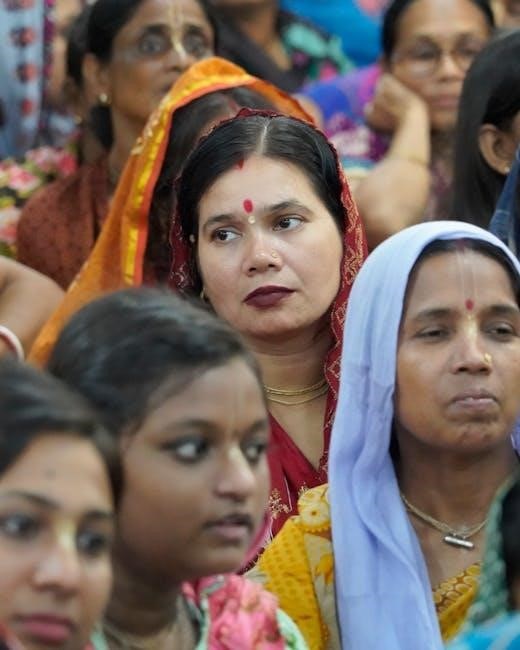
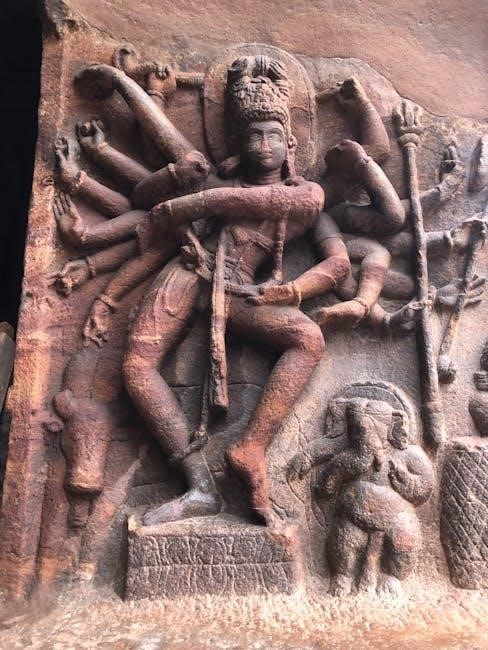
The Brahma Samhita has profoundly influenced Hindu art and literature, inspiring depictions of divine forms and cosmic imagery․ Its verses have been a source of inspiration for poets, writers, and artists, particularly in the Gaudiya Vaishnava tradition․ The text’s vivid descriptions of the spiritual world and the form of Krishna have been immortalized in temple art, sculptures, and devotional music․ Many classical Indian poets drew themes and metaphors from the Brahma Samhita, weaving its philosophical insights into their works․ Even in modern times, its influence can be seen in literature, paintings, and digital art, as its timeless concepts continue to inspire creativity and devotion․ The availability of the Brahma Samhita PDF has further expanded its reach, allowing global artists and writers to draw from its rich spiritual tapestry․
5․2 Role in Hindu Rituals and Practices
The Brahma Samhita holds a revered place in Hindu rituals and practices, particularly within the Gaudiya Vaishnava tradition․ Its verses are often recited during pujas and ceremonies to invoke divine blessings and spiritual purification․ The text is considered sacred and is used in mantra recitations, hymns, and devotional songs, enhancing the spiritual atmosphere of rituals․ Many Hindu communities incorporate its teachings into daily worship, meditation, and scriptural study․ The availability of the Brahma Samhita PDF has made it easier for devotees to access and integrate its wisdom into their spiritual practices․ It also serves as a guide for understanding the nature of the divine and the cosmos, fostering deeper devotion and spiritual growth among practitioners․ Its influence is evident in temple rituals, where its verses are chanted to honor Krishna and other deities, reflecting its enduring significance in Hindu religious life․
5․3 Impact on Religious Communities
The Brahma Samhita has profoundly influenced religious communities, particularly within the Gaudiya Vaishnava tradition, by shaping theological understanding and devotional practices․ Its teachings on the nature of the divine have inspired countless followers, fostering a deeper connection to spirituality․ The availability of the Brahma Samhita PDF has further amplified its reach, allowing communities worldwide to access its wisdom․ It has become a cornerstone for religious discourse, uniting adherents through shared beliefs and practices․ The text’s emphasis on devotion and cosmic harmony resonates deeply, strengthening communal bonds and spiritual aspirations․ Its impact is evident in the growth of Vaishnava communities and their commitment to spreading its teachings, ensuring its enduring relevance in modern religious landscapes․
Comparative Analysis
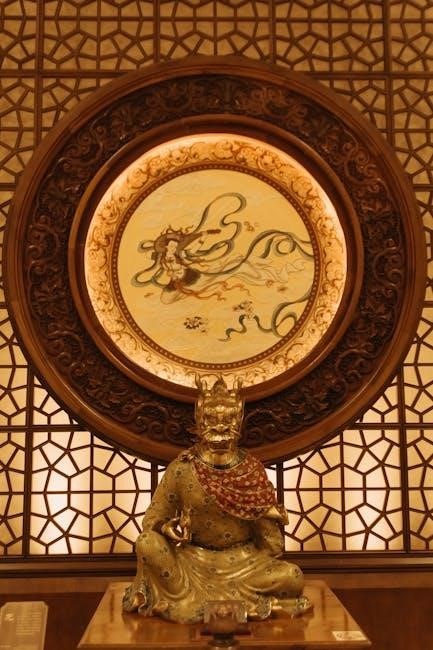
The Brahma Samhita offers unique philosophical insights, often compared to other sacred texts for its cosmological and theological depth, providing a distinct perspective on divine truths․
6․1 Comparison with the Bhagavad Gita
The Brahma Samhita and the Bhagavad Gita share foundational concepts in Hindu philosophy, such as the nature of the Absolute Truth and the path to spiritual liberation․ While the Bhagavad Gita focuses on dharma, duty, and the three yogas—karma, bhakti, and jnana—the Brahma Samhita delves into cosmology and the theology of the universe’s creation․ Both texts emphasize devotion (bhakti) as a supreme means to attain liberation, but the Gita provides practical guidance for living a dharmic life, whereas the Brahma Samhita offers a more esoteric and philosophical understanding of the divine․ The Gita is a dialogue between Krishna and Arjuna, making it accessible, while the Brahma Samhita is a poetic revelation to Brahma, offering a cosmic perspective․ Together, they complement each other, blending practical wisdom with theological depth․
6․2 Similarities with the Upanishads
The Brahma Samhita and the Upanishads share profound similarities in their exploration of Brahman, the ultimate reality․ Both texts emphasize the concept of Brahman as the unchanging, all-pervading essence of the universe․ The Upanishads introduce the idea of Advaita Vedanta, or non-dualism, which aligns with the Brahma Samhita’s description of the absolute truth as beyond duality․ Both texts also highlight the importance of devotion and self-realization as paths to liberation․ The Upanishads’ focus on the Atman (individual self) and its union with Brahman mirrors the Brahma Samhita’s teachings on the soul’s eternal relationship with the divine․ These parallels underscore a shared philosophical foundation, bridging the gap between Vedic wisdom and later theological developments in Hindu thought․

Digital Availability and Access
The Brahma Samhita is widely available as a PDF, with translations in multiple languages, making it accessible for global readers to explore its teachings digitally․
7․1 PDF Versions and Translations

The Brahma Samhita is readily available in PDF format, offering convenience for modern readers․ Many websites provide free downloads of the text, often accompanied by translations in English, Hindi, and other languages․ These PDFs are meticulously formatted, preserving the original Sanskrit verses alongside their interpretations․ Translations ensure that the philosophical depth and spiritual insights of the Brahma Samhita are accessible to a global audience․ Additionally, some versions include commentary from esteemed scholars, enhancing understanding for both beginners and advanced learners․ The digital format allows for easy navigation, with features like bookmarks and search functions․ This accessibility has made the Brahma Samhita a popular resource for spiritual seekers worldwide, bridging ancient wisdom with contemporary technology․
7․2 Benefits of Digital Access
Digital access to the Brahma Samhita in PDF format offers unparalleled convenience and flexibility․ Readers can easily carry the text on mobile devices, enabling study anywhere, anytime․ The digital version is often free, making ancient wisdom accessible to everyone․ Features like search functions and bookmarks allow for efficient navigation, helping users quickly locate specific verses or themes․ Digital access also supports environmental sustainability by reducing the need for physical copies․ Additionally, it facilitates sharing and accessibility for individuals with disabilities, such as those with visual impairments, through assistive technologies like text-to-speech․ This modern approach ensures the timeless teachings of the Brahma Samhita remain relevant and accessible in the digital age, catering to diverse learning preferences and needs․
Practical Applications
The Brahma Samhita PDF offers practical tools for integrating its teachings into daily life, enhancing meditation practices, and enriching ritual worship through accessible and portable spiritual guidance․
8․1 Integration into Daily Life
The Brahma Samhita PDF serves as a valuable resource for incorporating its timeless wisdom into daily routines․ By studying its verses, individuals can cultivate mindfulness and gratitude, fostering a deeper connection to the divine․ The text emphasizes the importance of self-reflection and devotion, which can be seamlessly integrated into morning meditation or evening prayers․ Its teachings on the nature of the universe and the self encourage a balanced lifestyle, promoting harmony between spiritual and material pursuits․ Additionally, the portability of the PDF format allows for easy access, enabling readers to reflect on its teachings anywhere, anytime, making it a practical tool for spiritual growth in modern life․
8․2 Use in Meditation Practices
The Brahma Samhita PDF is a powerful tool for meditation, offering profound verses that guide the mind toward spiritual contemplation․ Its descriptions of the divine and the universe inspire focus and inner calm․ Many practitioners use specific verses as mantras, repeating them to anchor their meditation and connect with higher consciousness․ The text’s emphasis on devotion and transcendence helps cultivate a meditative state, fostering emotional balance and clarity․ Additionally, the accessibility of the PDF allows meditators to easily reference verses, enhancing their practice with ancient wisdom․ Regular meditation on these teachings can deepen one’s understanding of the self and the divine, leading to greater peace and spiritual fulfillment in daily life․
8․3 Role in Ritual and Worship
The Brahma Samhita PDF holds significant importance in rituals and worship within various spiritual traditions․ Its verses are often recited during ceremonies to invoke divine blessings and purification․ Many devotees incorporate the text into daily worship practices, using its mantras to connect with the divine․ The PDF format allows easy access to these sacred verses, facilitating their use in rituals like deity worship and sacred fire ceremonies․ Additionally, the text’s descriptions of cosmic order and divine attributes inspire offerings and prayers, deepening the spiritual experience․ Regular recitation of the Brahma Samhita in worship is believed to bring spiritual purification and alignment with the divine will, fostering a deeper sense of devotion and harmony in sacred practices․
The Brahma Samhita PDF serves as a timeless spiritual guide, offering profound insights into the nature of the universe and the divine․ Its verses, rooted in ancient Vedic wisdom, continue to inspire seekers of truth and devotion․ The text’s emphasis on cosmic creation and the ultimate reality resonates deeply, making it a cornerstone of philosophical and spiritual inquiry․ As a digital resource, the PDF format ensures accessibility, allowing modern practitioners to study and reflect on its teachings effortlessly․ By bridging the gap between tradition and contemporary life, the Brahma Samhita remains a vital text for spiritual growth, worship, and introspection, fostering a deeper connection to the divine and the mysteries of existence․