
rod guide
Rod guides are essential components‚ directing line smoothly along the rod‚ minimizing friction‚ and maximizing casting distance and accuracy for anglers of all levels.
The quality of these guides significantly impacts performance‚ especially when utilizing modern lines like braided or fluorocarbon‚ influencing overall fishing success.
What are Fishing Rod Guides?
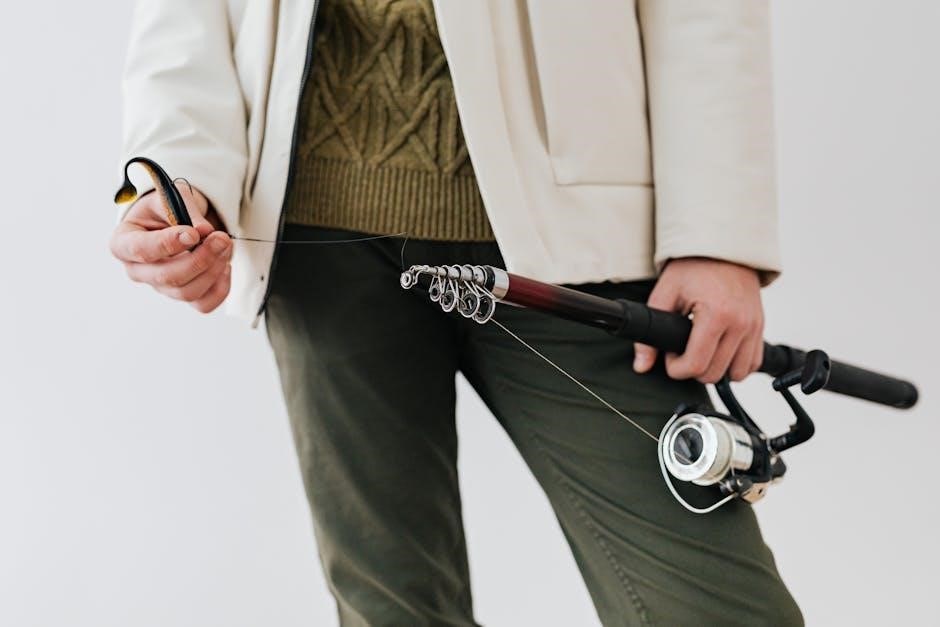
Fishing rod guides are the small rings strategically positioned along the length of a fishing rod‚ serving a crucial function in managing the fishing line. They act as a pathway‚ smoothly directing the line from the reel to the rod’s tip during casting and retrieving.
These guides aren’t merely passive components; they actively reduce friction between the line and the rod itself‚ preventing wear and tear and enhancing casting distance. Without guides‚ the line would rub directly against the rod’s material‚ causing damage and significantly hindering performance.
Guides come in various types and are constructed from diverse materials‚ each offering unique benefits regarding durability‚ smoothness‚ and compatibility with different fishing lines. Their proper placement and configuration are vital for optimal rod performance.
The Importance of Quality Guides
Quality fishing rod guides are paramount for a superior angling experience‚ directly impacting casting accuracy‚ distance‚ and line management. Inferior guides create friction‚ generating heat that can damage monofilament and significantly reduce the lifespan of braided or fluorocarbon lines.
Higher-quality materials‚ like silicon carbide (SiC) or titanium carbide‚ offer exceptionally smooth surfaces‚ minimizing friction and maximizing casting efficiency. Durable frames‚ often made of titanium or stainless steel‚ resist corrosion and withstand the stresses of repeated use.
Investing in quality guides translates to improved sensitivity‚ reduced line wear‚ and ultimately‚ increased fishing success. They are a critical component often overlooked‚ yet profoundly influential on overall rod performance.
Types of Fishing Rod Guides
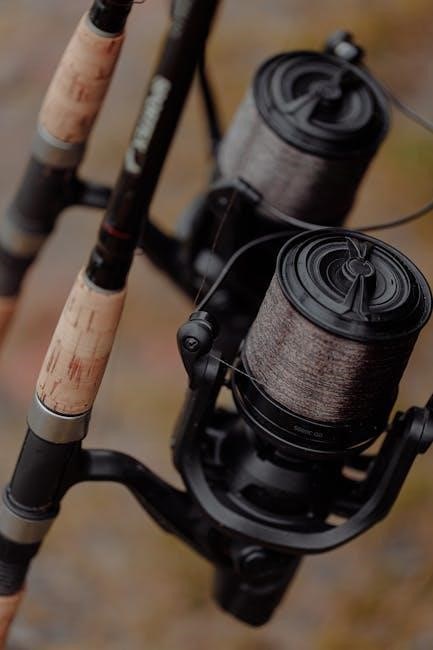
Fishing rod guides come in various designs‚ including single foot‚ double foot‚ stripping‚ and snake guides‚ each serving specific purposes along the rod’s length.
Single Foot Guides
Single foot guides are characterized by having a single leg supporting the ring‚ making them lightweight and ideal for reducing overall rod weight. They are frequently utilized by rod builders for completing the guide train towards the tip‚ following the initial guides.
These guides are a popular choice due to their simplicity and cost-effectiveness‚ offering a balance between performance and affordability. They are particularly well-suited for situations where weight reduction is a priority‚ such as in finesse fishing applications. However‚ they generally offer less stability compared to double foot guides‚ especially under heavy load.
Their streamlined design contributes to a more sensitive feel‚ allowing anglers to better detect subtle strikes.
Double Foot Guides
Double foot guides feature two legs supporting the ring‚ providing enhanced stability and durability compared to single foot guides. They are commonly recommended for the first and second guides positioned above the fishing reel‚ where the line experiences the greatest stress during casting and retrieving.
The additional support minimizes guide wobble and prevents the line from potentially contacting the blank‚ reducing friction and heat buildup‚ especially crucial when using braided lines. This design distributes the load more evenly‚ increasing the guide’s lifespan and maintaining casting accuracy.
While slightly heavier than single foot guides‚ the added stability often outweighs this drawback for many applications.
Stripping Guides
Stripping guides‚ the largest guides on a fishing rod‚ are positioned closest to the reel. Their primary function is to efficiently strip line from the reel during casting‚ managing the initial flow of line off the spool. They are often mounted at a slight angle to facilitate smoother line travel.
The inserts within stripping guides can vary‚ including polished ceramic‚ agate‚ or even colored glass in high-end rods. These materials are chosen for their smoothness and ability to dissipate heat generated by rapidly moving line.
Proper stripping guide placement and size are critical for maximizing casting distance and preventing line tangles.
Snake Guides
Snake guides‚ characterized by their single-foot design‚ are the most common type found running along the length of a fishing rod. They are typically smaller in diameter than stripping guides and are strategically placed to maintain a smooth bend in the line as it travels towards the reel during retrieves and casts.
These guides are often utilized after the initial double-foot guides‚ offering a lightweight solution for the majority of the rod’s length. Their simplicity contributes to reduced weight and cost compared to more complex guide configurations.
Effective snake guide placement ensures optimal line control and minimizes friction.
Materials Used in Rod Guide Construction
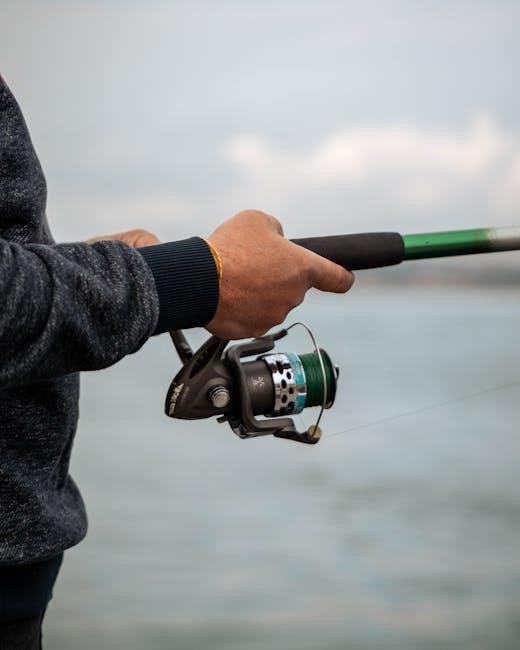
Rod guide construction utilizes diverse materials like aluminum oxide‚ ceramics (Alconite‚ SiC‚ Torzite)‚ titanium‚ and stainless steel‚ impacting durability‚ smoothness‚ and cost.
Aluminum Oxide Guides
Aluminum oxide guides represent a common and budget-friendly option widely used in fishing rod construction. These guides offer reasonable durability and corrosion resistance‚ making them suitable for various fishing applications‚ particularly with monofilament lines.
However‚ they possess a relatively rough surface compared to more advanced materials‚ potentially increasing friction with braided or fluorocarbon lines‚ leading to heat buildup and line wear. While cost-effective‚ aluminum oxide guides may not be the optimal choice for anglers frequently using superlines or seeking peak performance. They are a solid starting point for many anglers‚ balancing affordability with functionality.
Ceramic Guides
Ceramic guides encompass a broad spectrum of materials‚ ranging from standard ceramics to high-performance options like Alconite‚ Silicon Carbide (SiC)‚ and Torzite. These materials significantly reduce friction‚ enhancing casting distance and line management‚ especially crucial with braided lines.
Harder‚ smoother ceramic rings dissipate heat more effectively‚ minimizing line damage. The level of ceramic directly correlates to durability and slickness; higher-end ceramics offer superior performance. They represent a substantial upgrade over aluminum oxide‚ providing a smoother‚ more efficient experience for anglers prioritizing line protection and casting efficiency.
Alconite Guides
Alconite guides represent a significant step up from traditional ceramic options‚ offering a smoother surface and improved heat dissipation. This material is a composite‚ blending aluminum oxide with other components to enhance its performance characteristics. Alconite excels at reducing friction‚ benefiting both monofilament and braided lines‚ though it’s particularly advantageous with the latter.
While not as exceptionally hard as Silicon Carbide (SiC) or Torzite‚ Alconite provides a robust balance of durability‚ performance‚ and cost-effectiveness‚ making it a popular choice for mid-range to high-end fishing rods. It’s a reliable option for anglers seeking a noticeable improvement in casting and line control.
Silicon Carbide (SiC) Guides
Silicon Carbide (SiC) guides are renowned for their exceptional hardness and smoothness‚ representing a premium choice for discerning anglers. This material dramatically reduces friction‚ minimizing heat buildup during casts‚ especially crucial when using superlines like braided line. The incredibly slick surface protects line from wear and tear‚ extending its lifespan and improving casting distance.
SiC guides are commonly found on high-end and custom-built rods due to their higher cost. However‚ the enhanced performance and durability justify the investment for serious fishermen seeking the ultimate in line management and casting efficiency. They offer superior performance compared to standard ceramic options.
Torzite Guides
Torzite guides represent the pinnacle of rod guide technology‚ offering unparalleled performance and durability; This advanced ceramic material boasts an even higher hardness and smoother surface than Silicon Carbide (SiC)‚ resulting in minimal friction and exceptional heat dissipation. Torzite excels at managing modern‚ high-performance lines‚ particularly braided lines‚ reducing wear and maximizing casting distance.
Due to their complex manufacturing process and superior materials‚ Torzite guides are exclusively found on the most premium‚ high-end fishing rods or custom builds. Anglers willing to invest in the best will experience a noticeable improvement in casting accuracy‚ sensitivity‚ and overall fishing performance with these guides.
Titanium Frames
Titanium frames are highly sought after in rod guide construction due to their exceptional strength-to-weight ratio and incredible corrosion resistance. This makes them ideal for anglers fishing in harsh saltwater environments where rust and degradation are significant concerns. While more expensive than stainless steel‚ titanium offers a substantial upgrade in durability and longevity.
Often paired with high-performance inserts like Silicon Carbide (SiC)‚ titanium frames provide a premium feel and contribute to a rod’s overall balance. They are commonly found on high-end and custom-built rods‚ representing a commitment to quality and lasting performance for serious anglers.
Stainless Steel Frames
Stainless steel frames represent a popular and cost-effective choice for fishing rod guides‚ offering a good balance between durability and affordability. They provide excellent corrosion resistance‚ making them suitable for both freshwater and saltwater applications‚ though not quite to the level of titanium.
These frames are frequently used in conjunction with aluminum oxide or ceramic inserts‚ creating a reliable and functional guide system. While heavier than titanium‚ stainless steel frames contribute to a rod’s overall robustness and are a common sight on many commercially produced rods‚ offering dependable performance for a wide range of anglers.

Guide Inserts: Materials and Performance
Guide inserts‚ crafted from materials like ceramic‚ agate‚ or titanium carbide‚ dramatically reduce friction and heat‚ protecting the line and enhancing casting distance.
Ceramic Inserts
Ceramic inserts represent a broad spectrum of materials‚ ranging from standard ceramics to advanced options like Alconite‚ Silicon Carbide (SiC)‚ and Torzite. These inserts are widely favored due to their balance of performance and cost-effectiveness. They offer a smoother surface compared to traditional materials‚ reducing friction on the fishing line during casts.

Harder ceramic compositions‚ such as SiC and Torzite‚ excel at dissipating heat generated by line friction‚ a crucial benefit when using braided or fluorocarbon lines known for their heat-conducting properties. Polished ceramic inserts are also frequently found in stripping guides‚ often incorporating colored glass in higher-end rods for aesthetic appeal and functionality.
Agate Inserts
Agate inserts‚ historically prized in fly rod guides‚ represent a classic‚ though less common‚ choice in modern rod building. Known for their exceptionally smooth surface‚ agate minimizes friction‚ offering excellent line flow and protecting delicate fly lines from damage. These inserts were particularly valued for their ability to dissipate heat‚ crucial when lines repeatedly passed over them during casting.
However‚ agate is a relatively brittle material‚ making it susceptible to cracking or chipping upon impact. Consequently‚ agate inserts are now primarily found in vintage or high-end‚ collectible rods‚ where their historical significance and unique properties are appreciated. Modern materials often provide a more durable alternative for demanding fishing conditions.
Glass Inserts
Glass inserts represent another historical option in fishing rod guide construction‚ often found in older or high-end rods. While not as durable as modern ceramic materials‚ colored glass inserts offered a visually appealing aesthetic and provided reasonably smooth line flow for their time. They were often polished to reduce friction and minimize line wear‚ particularly with silk or early synthetic fly lines.
However‚ glass is prone to breakage‚ especially under stress or impact‚ limiting its suitability for demanding fishing applications. Today‚ glass inserts are largely considered a collector’s item‚ valued for their vintage charm rather than superior performance compared to contemporary materials like silicon carbide or Alconite.
Titanium Carbide Inserts
Titanium carbide inserts represent a pinnacle of rod guide technology‚ offering exceptional hardness and durability. These inserts are engineered to withstand the intense heat generated by rapidly moving fishing line‚ particularly when using braided or superlines‚ preventing damage and maintaining optimal performance. They provide an incredibly smooth surface‚ minimizing friction and maximizing casting distance.
However‚ this superior performance comes at a premium cost‚ making titanium carbide guides primarily found on high-end‚ custom-built rods. Their resistance to wear and corrosion ensures a long lifespan‚ justifying the investment for serious anglers seeking the ultimate in guide performance and reliability.
Choosing Guides Based on Fishing Line
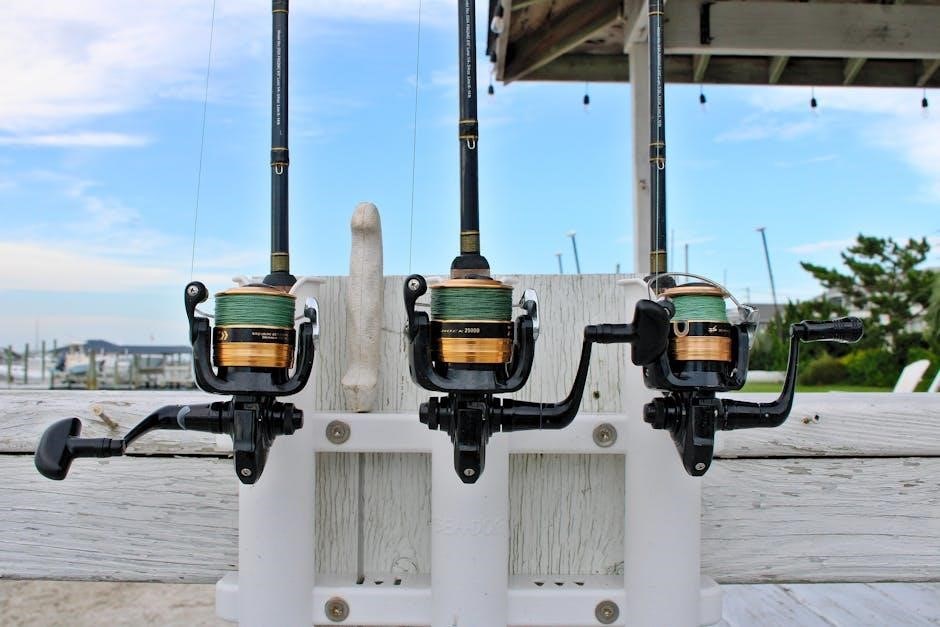
Selecting the right guides depends on your line type; harder materials like SiC are ideal for braided lines‚ while softer options suit monofilament effectively.
Guides for Monofilament Line
Monofilament line‚ being a traditional and widely used option‚ generally doesn’t demand the most expensive guide materials. Aluminum oxide guides are a common and cost-effective choice‚ providing sufficient smoothness for mono’s characteristics. However‚ for enhanced performance and longevity‚ particularly with frequent casting‚ ceramic guides offer a noticeable upgrade.
Standard ceramic inserts reduce friction and heat buildup‚ extending both line life and guide durability. While SiC (Silicon Carbide) or Torzite aren’t strictly necessary for mono‚ they can still benefit anglers seeking premium smoothness and reduced wear‚ especially when targeting larger species or casting heavier lures. The key is balancing performance needs with budgetary considerations when selecting guides for monofilament use.
Guides for Braided Line
Braided line‚ known for its low stretch and high strength‚ presents unique demands on fishing rod guides. Its abrasive nature necessitates guides with exceptionally smooth and durable inserts to prevent premature line wear. Ceramic guides‚ particularly those featuring Silicon Carbide (SiC) or Torzite inserts‚ are highly recommended.
These harder materials minimize friction and resist the cutting action of braided line. Titanium frames further enhance durability and corrosion resistance‚ crucial for saltwater applications. While aluminum oxide can be used‚ it will wear much faster with braid. Investing in high-quality guides for braided line is essential to maintain performance and avoid costly line failures during critical moments.
Guides for Fluorocarbon Line
Fluorocarbon line‚ prized for its invisibility underwater‚ requires guides that balance smoothness with durability. While less abrasive than braided line‚ fluorocarbon can still generate heat during casts‚ potentially damaging lower-quality guide inserts. Ceramic guides‚ including Alconite and SiC‚ are excellent choices‚ offering a slick surface to dissipate heat and minimize friction.
Aluminum oxide guides can also be suitable‚ particularly for lighter fluorocarbon applications‚ but may exhibit more wear over time. The key is to select guides that prevent line memory and maintain consistent performance‚ ensuring accurate casts and reliable hooksets. Considering the line’s sensitivity‚ smooth guides are paramount.
Guide Placement and Configuration
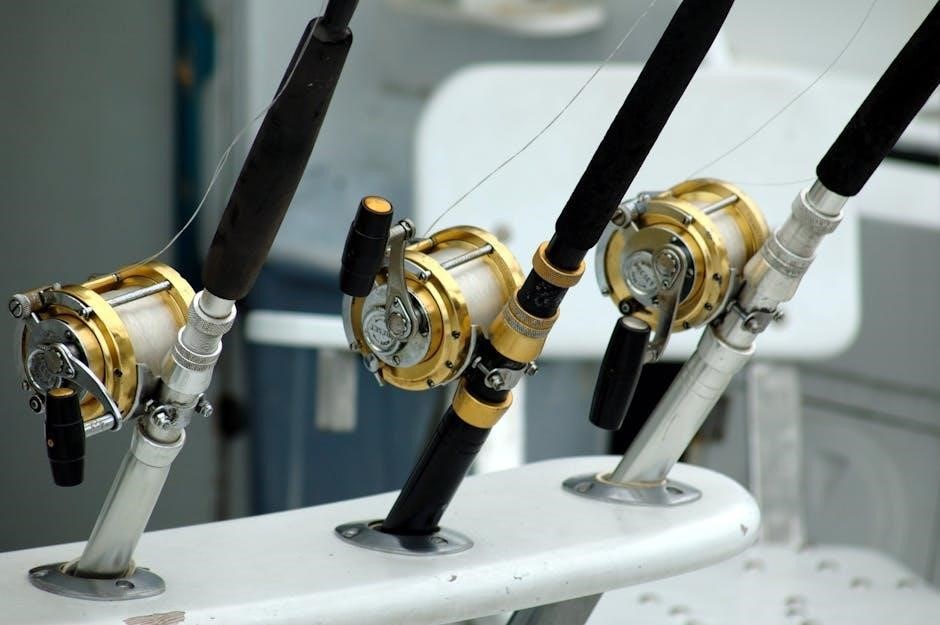
Strategic guide placement is crucial; double-foot guides are often used near the reel‚ transitioning to single-foot guides towards the tip for optimal line control.
First and Second Guides (Near the Reel)
The first two guides‚ positioned closest to the fishing reel‚ are arguably the most critical components in a rod’s guide train. They manage the largest bend radius of the line as it leaves the spool‚ and therefore‚ require robust construction and careful consideration.
Double-foot guides are overwhelmingly recommended for these initial positions‚ providing enhanced stability and preventing the line from potentially contacting the blank itself. This is particularly important with modern‚ high-performance lines like braided or fluorocarbon‚ which can have minimal stretch and increased friction.
Properly sized and positioned first and second guides contribute significantly to smoother casting‚ reduced line wear‚ and improved overall fishing performance. They establish the foundation for efficient energy transfer throughout the casting stroke.
Guide Spacing
Optimal guide spacing is crucial for efficient energy transfer during casting and retrieving‚ directly impacting distance and accuracy. There isn’t a single “correct” spacing‚ as it depends on rod length‚ action‚ and intended fishing application.
Generally‚ the guides closest to the reel are spaced closer together to manage the initial bend of the line‚ with spacing gradually increasing towards the rod tip. Precise calculations‚ often utilizing specialized formulas or software‚ are employed by rod builders to determine the ideal placement.
Incorrect spacing can lead to increased friction‚ reduced casting distance‚ and potential line damage. Consistent and thoughtful guide spacing ensures a smooth‚ efficient flow of line throughout the cast.
Factors Affecting Guide Durability
Guide durability hinges on corrosion resistance‚ wear from the fishing line‚ and impact resistance—critical for longevity‚ especially with braided lines and rough handling.
Corrosion Resistance
Corrosion resistance is a paramount concern for fishing rod guides‚ given their constant exposure to saltwater and harsh environmental conditions. Stainless steel frames offer good‚ affordable corrosion resistance‚ making them a popular choice for many anglers. However‚ titanium frames represent a significant upgrade‚ providing superior resistance to corrosion‚ even in the most demanding saltwater environments.
The guide inserts themselves also play a role; while ceramic inserts are generally corrosion-resistant‚ the frame material is often the weak link. Regular cleaning and maintenance‚ particularly after saltwater use‚ are crucial for extending the lifespan of any guide‚ regardless of its material composition. Ignoring corrosion can lead to weakened guides and potential line failure during a cast or fight.
Wear and Tear from Line
Fishing line‚ particularly braided and superlines‚ can cause significant wear and tear on rod guides over time. The abrasive nature of these lines generates heat during casting‚ leading to erosion of the guide insert material. Harder ceramic guides‚ such as Silicon Carbide (SiC) and Torzite‚ are designed to withstand this abrasion better than traditional aluminum oxide or even Alconite guides.
Regular inspection of guides for cracks‚ chips‚ or rough edges is essential. Smooth‚ well-maintained guides minimize friction and reduce line wear‚ while damaged guides can compromise line strength and casting performance. Replacing worn guides proactively prevents catastrophic failures during fish battles.
Impact Resistance
Rod guides are vulnerable to impact damage from accidental bumps‚ drops‚ or collisions with objects during transport or fishing. Titanium frames generally offer superior impact resistance compared to stainless steel frames‚ bending rather than fracturing upon impact. The guide insert material also plays a role; while ceramic inserts are durable‚ they can chip or crack under severe force.
Protecting guides during storage and transport is crucial. Using rod sleeves or cases minimizes the risk of accidental damage. Regularly inspecting guides for any signs of impact damage—cracks‚ chips‚ or loose inserts—is vital for maintaining rod performance and preventing line failures.

Cost Considerations for Rod Guides
Rod guide costs vary widely; budget options utilize aluminum oxide‚ while high-end performance guides feature titanium frames and SiC inserts for premium quality.
Budget-Friendly Options
Aluminum oxide guides represent the most economical choice for anglers seeking functional and reliable rod guides without a substantial investment. These guides offer acceptable corrosion resistance and are suitable for general fishing applications‚ particularly with monofilament line.
While they may not possess the smoothness or durability of higher-end materials‚ aluminum oxide guides provide a cost-effective solution for entry-level rods or for anglers who prioritize affordability. They are commonly found on pre-built rods in lower price ranges.
However‚ it’s important to note that aluminum oxide can be more prone to wear and tear‚ especially when used with braided line‚ potentially leading to increased friction and line damage over time. Despite this‚ they remain a practical option for casual anglers.

High-End Performance Guides
High-end rod guides prioritize minimal friction and exceptional durability‚ utilizing premium materials like titanium frames paired with silicon carbide (SiC) inserts or even Torzite. These combinations drastically reduce heat buildup‚ crucial when using braided line‚ and enhance casting distance.
Titanium offers superior strength and corrosion resistance‚ while SiC provides an incredibly smooth surface‚ minimizing line wear; Torzite‚ an even harder ceramic‚ further elevates performance. These guides are often found on custom rods or high-end commercially produced models.
Though significantly more expensive‚ the investment yields noticeable improvements in sensitivity‚ casting accuracy‚ and overall fishing experience‚ particularly for serious anglers demanding the best possible performance.