
ohio vin inspection form pdf
Ohio VIN Inspection Form PDF: A Comprehensive Guide (Updated 03/25/2026)
This guide details the Ohio VIN inspection process‚ covering forms like BMV 3773‚ online filling options (pdfFiller‚ airSlate SignNow)‚ and dealer licensing applications.
What is an Ohio VIN Inspection?
An Ohio VIN inspection is a crucial verification process mandated by the Ohio Bureau of Motor Vehicles (BMV) to ensure the legitimacy of a vehicle’s identification. This inspection focuses on the Vehicle Identification Number (VIN) to confirm it hasn’t been tampered with or altered.
Specifically‚ the inspection is frequently required when registering a vehicle previously titled in another state. The process involves a trained inspector physically examining the VIN‚ comparing it to the vehicle’s documentation‚ and completing the Ohio Out-of-State Vehicle Inspection Form (BMV 3773).
It’s a safeguard against fraud and helps maintain accurate vehicle records within the state of Ohio‚ ensuring compliance with state laws and regulations regarding vehicle ownership and safety.
Purpose of the VIN Inspection
The primary purpose of the Ohio VIN inspection is to deter and detect vehicle theft and fraud. By verifying the VIN’s authenticity‚ the inspection process helps prevent vehicles with altered or questionable histories from being registered in Ohio. This safeguards both potential buyers and the state’s vehicle registration system.
It also ensures the accuracy of vehicle records maintained by the BMV‚ contributing to public safety and efficient vehicle management. The inspection confirms the vehicle’s details align with official documentation‚ reducing the risk of errors and discrepancies.
Ultimately‚ the VIN inspection supports the integrity of vehicle transactions and promotes a secure automotive environment within Ohio.
When is a VIN Inspection Required in Ohio?
A VIN inspection is generally required when registering a vehicle previously titled in another state within Ohio. This applies to out-of-state vehicle registration‚ ensuring the vehicle’s history and identification are legitimate before it’s granted Ohio plates and a title.
Furthermore‚ a VIN inspection is crucial for verifying salvage title vehicles. This process confirms the vehicle’s identification after it has been declared a total loss‚ ensuring proper documentation and compliance with Ohio’s salvage vehicle regulations.
Essentially‚ any vehicle entering Ohio’s registration system from outside the state‚ or with a salvage history‚ necessitates a thorough VIN inspection.
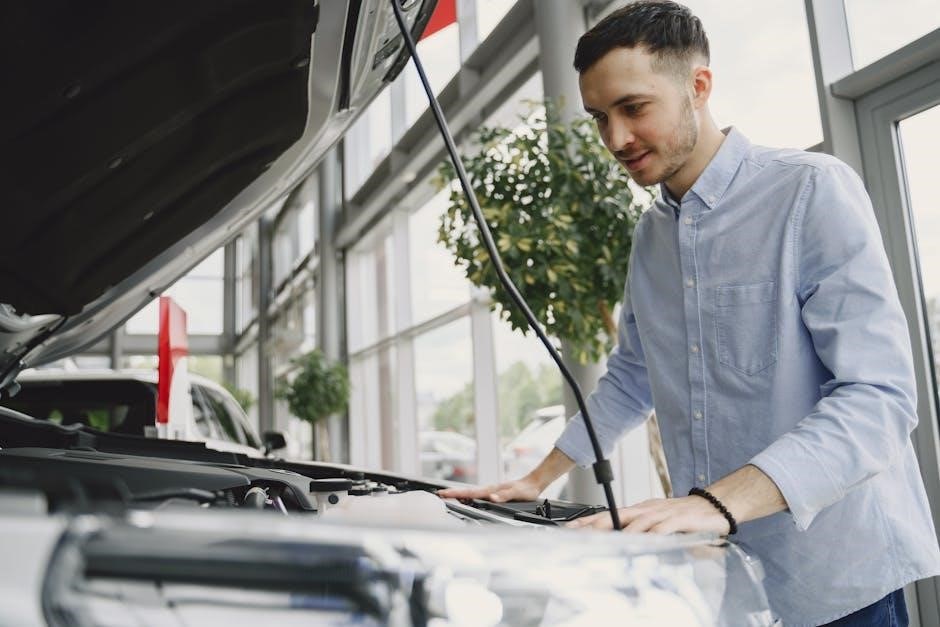
Out-of-State Vehicle Registration
When registering a vehicle in Ohio that was previously registered in another state‚ a physical VIN inspection is legally mandated. This inspection‚ detailed on the Ohio Out-of-State Vehicle Inspection Form (BMV 3773)‚ verifies the vehicle’s authenticity and confirms it hasn’t been stolen or improperly altered.
The inspection process ensures the VIN matches official records and that the vehicle meets Ohio’s safety and emissions standards. Without a completed and approved VIN inspection‚ the BMV will not process the vehicle’s registration.
This requirement safeguards Ohio residents and maintains the integrity of the state’s vehicle registration system.
Salvage Title Verification
Ohio requires a meticulous VIN inspection for vehicles with salvage titles‚ ensuring proper re-inspection and verification before they can be legally driven again. This process goes beyond standard registration checks‚ focusing on the vehicle’s structural integrity and safety after being declared a total loss.
The inspection confirms repairs meet Ohio’s stringent standards and that the vehicle is safe for road use. The BMV 3773 form is crucial here‚ documenting the inspection details and repair verification.
This safeguard protects buyers from unknowingly purchasing unsafe or improperly repaired vehicles with a troubled history.
The Ohio Out-of-State Vehicle Inspection Form (Form BMV 3773)
Form BMV 3773 is the cornerstone of Ohio’s out-of-state vehicle inspection process. This official document‚ available through the Ohio Department of Motor Vehicles‚ is essential for registering a vehicle previously titled in another state.
The form meticulously details the vehicle’s identification‚ including the VIN‚ make‚ model‚ and year of manufacture. Authorized inspection stations complete this form after a thorough physical examination of the vehicle.
It’s a critical step to ensure compliance with Ohio’s safety and emissions standards before granting registration and legal operation on Ohio roadways.
Key Information Required on the Form
The Ohio VIN inspection form (BMV 3773) demands precise vehicle details. Crucially‚ the Vehicle Identification Number (VIN) must be accurately recorded‚ serving as the vehicle’s unique fingerprint.
Detailed information regarding the Vehicle Make and Model is also required‚ ensuring proper categorization and record-keeping. Furthermore‚ the Vehicle Year of Manufacture is essential for determining applicable standards and regulations.
Inspectors verify this data against the physical vehicle‚ confirming its legitimacy and preventing fraudulent registrations. Accurate completion of these fields is paramount for a successful inspection.
Vehicle Identification Number (VIN)

The Vehicle Identification Number (VIN) is the cornerstone of the inspection process. This unique 17-character code identifies each vehicle‚ acting as its fingerprint. Inspectors meticulously verify the VIN’s presence and ensure it hasn’t been tampered with or altered in any way.
The VIN is typically located on the vehicle’s dashboard‚ doorjamb‚ or engine compartment. Accurate transcription onto the inspection form is critical; even a single error can cause delays or rejection. The VIN links directly to the vehicle’s history‚ including ownership and any reported damage.
Vehicle Make and Model
Accurately recording the vehicle’s make and model is a fundamental step in the Ohio VIN inspection process. This information‚ alongside the VIN‚ helps establish the vehicle’s identity and specifications. Inspectors will confirm these details against the vehicle itself and potentially supporting documentation.
The make refers to the manufacturer (e.g.‚ Ford‚ Toyota‚ Honda)‚ while the model specifies the particular vehicle type (e.g.‚ F-150‚ Camry‚ Civic). Correctly identifying these elements ensures the inspection report aligns with the vehicle’s official records‚ facilitating a smooth registration process.
Vehicle Year of Manufacture
Determining the vehicle’s year of manufacture is crucial for accurate VIN inspection documentation in Ohio. This detail‚ alongside the VIN and model‚ provides a complete picture of the vehicle’s history and specifications. Inspectors verify this information against the vehicle itself and official records to ensure consistency.
The manufacturing year indicates when the vehicle was originally produced‚ impacting its value‚ safety standards‚ and regulatory compliance. Accurate recording prevents discrepancies during registration and title transfer. This information is a key component of the Ohio Out-of-State Vehicle Inspection Form (BMV 3773).
Locating Authorized VIN Inspection Stations
Finding a qualified station is essential for a valid Ohio VIN inspection. Ohio Deputy Registrars are a primary resource‚ offering convenient locations for vehicle inspections. Alternatively‚ Licensed Automotive Repair Facilities also provide this service‚ ensuring qualified technicians perform the necessary checks.
The BMV website provides tools to locate authorized stations near you. Reddit discussions confirm Deputy Registrars are a common choice for out-of-state vehicle titling. Verify the station’s authorization before proceeding to avoid delays. Proper location selection streamlines the inspection process‚ ensuring compliance with Ohio regulations.
Ohio Deputy Registrars
Ohio Deputy Registrars offer a convenient option for VIN inspections‚ frequently recommended for out-of-state vehicle titling‚ as noted in Reddit discussions. These locations are authorized by the BMV to perform the required checks‚ ensuring compliance with state regulations. They provide a readily accessible service for individuals needing to register vehicles from other states.
Finding a Deputy Registrar is straightforward through the official BMV website’s search tool. They typically offer standard business hours and are equipped to handle the necessary paperwork. Utilizing a Deputy Registrar streamlines the inspection process‚ making it a popular choice for many Ohio residents.
Licensed Automotive Repair Facilities
Alongside Ohio Deputy Registrars‚ licensed automotive repair facilities are also authorized to conduct VIN inspections. These facilities possess the expertise to thoroughly examine a vehicle’s identification number and related documentation. This provides an alternative for those who find a repair facility more accessible or convenient.
Ensure the facility is officially licensed to perform VIN inspections before proceeding. They will complete the necessary sections of the Ohio Out-of-State Vehicle Inspection Form (BMV 3773)‚ verifying the vehicle’s details. Using a repair facility can be beneficial if additional vehicle checks are desired alongside the VIN inspection.
The Inspection Process: What to Expect
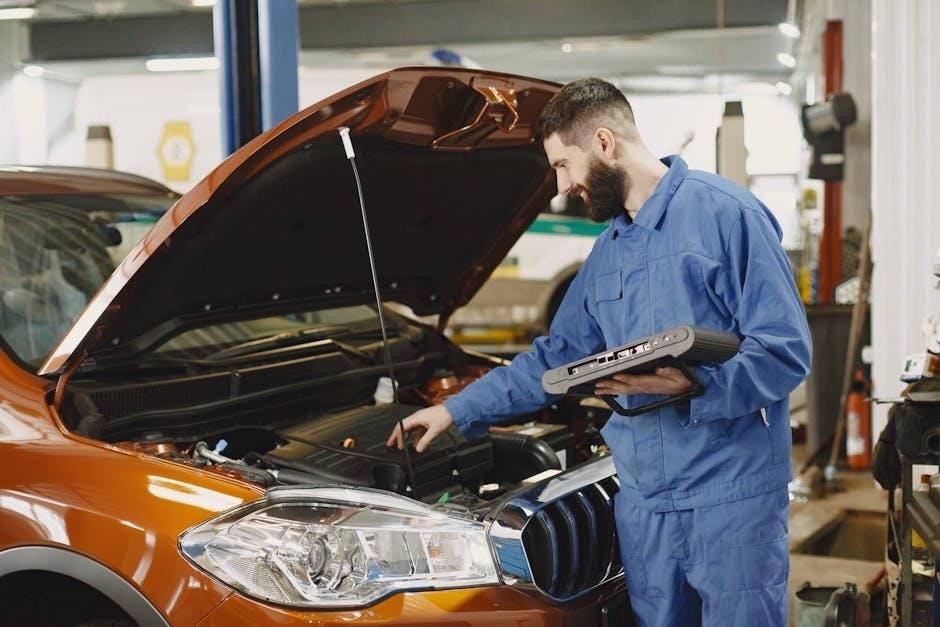
During a VIN inspection‚ an authorized inspector will meticulously verify the Vehicle Identification Number (VIN) against the vehicle’s documentation‚ like the title. They’ll check for any signs of tampering or alteration‚ ensuring the VIN is legible and matches official records. The inspector will also record the vehicle’s make‚ model‚ and year of manufacture on the BMV 3773 form.
Expect a visual inspection of the VIN plate’s location and condition. The process is generally quick‚ taking around 15-30 minutes. Inspectors will confirm the vehicle meets Ohio’s requirements before completing and signing the inspection form.

Cost of a VIN Inspection in Ohio
The cost of a VIN inspection in Ohio can vary depending on the inspection station. Ohio Deputy Registrars typically offer inspections at a standardized fee‚ often around $10-$20. Licensed automotive repair facilities may charge slightly more‚ potentially ranging from $20 to $50‚ depending on their standard labor rates.
It’s advisable to call ahead to the chosen inspection station to confirm their exact fee. Remember that this fee is separate from any vehicle registration or title transfer costs. The inspection fee covers the inspector’s time and verification services‚ ensuring compliance with Ohio BMV regulations;
Documents Needed for the Inspection
To complete the Ohio VIN inspection‚ you’ll need specific documentation. Firstly‚ bring the vehicle’s title or other official ownership documents to prove legal ownership. Secondly‚ valid proof of insurance is mandatory‚ demonstrating financial responsibility. The completed Ohio Out-of-State Vehicle Inspection Form (BMV 3773) may be required‚ depending on the inspection location.
Ensure all documents are current and legible. Inspectors may also request identification‚ such as a driver’s license‚ to verify your identity. Having these documents readily available will streamline the inspection process and prevent delays.
Vehicle Title or Ownership Documents
The vehicle’s title is crucial for the VIN inspection process‚ serving as primary proof of ownership. If the title is not readily available‚ acceptable alternatives include a manufacturer’s certificate of origin or a valid registration from another state. Ensure the title clearly displays the vehicle identification number (VIN)‚ matching the one on the vehicle itself.
Any discrepancies between the VIN on the title and the vehicle will cause inspection failure. For leased vehicles‚ a letter from the leasing company authorizing the inspection may be required. Presenting accurate and complete ownership documentation is essential for a successful inspection.
Proof of Insurance
Valid proof of insurance is a mandatory requirement for the Ohio VIN inspection. Inspectors need to verify that the vehicle is covered by an insurance policy that meets the state’s minimum liability requirements. Acceptable forms of proof include a current insurance card‚ a declaration page from your insurance policy‚ or a certificate of insurance.
The insurance documentation must clearly show the vehicle’s VIN‚ the policyholder’s name‚ and the effective dates of coverage. Expired or insufficient insurance will result in inspection failure. Having readily available and valid insurance proof streamlines the inspection process.
Understanding the Inspection Report
The Ohio VIN inspection report‚ typically Form BMV 3773‚ meticulously documents the vehicle’s identification details. Inspectors record the VIN‚ make‚ model‚ and year of manufacture‚ verifying consistency with the vehicle’s physical characteristics and title documents. Any discrepancies‚ such as VIN tampering or damage‚ are clearly noted on the report.
The report also includes a section for the inspector’s signature and date‚ validating the inspection’s authenticity. A passed inspection indicates the vehicle meets Ohio’s standards for identification. A failed report outlines the reasons for failure‚ requiring corrective action before re-inspection and registration.
What Happens After the Inspection?

Following a successful Ohio VIN inspection‚ the completed Form BMV 3773 must be submitted to the Ohio Bureau of Motor Vehicles (BMV). This form is a crucial component of the vehicle registration process‚ verifying the vehicle’s legitimacy. Alongside the inspection report‚ you’ll need to provide required documentation like the vehicle title and proof of insurance.
The BMV will then process your application‚ issuing Ohio registration and license plates. If the inspection failed‚ you must address the identified issues and undergo a re-inspection before submitting the corrected form to the BMV for registration approval.
Submitting the Form to the BMV
After a successful VIN inspection‚ the completed Ohio Out-of-State Vehicle Inspection Form (BMV 3773) is submitted to the Ohio BMV. You can typically submit this form in person at a local BMV Deputy Registrar office. Alternatively‚ depending on BMV guidelines‚ mailing the form might be permissible – check the official BMV website for current procedures.
Ensure the form is accurately filled and signed by the authorized inspector. Submitting this form initiates the vehicle registration process‚ alongside other required documents like proof of ownership and insurance. Prompt submission expedites your vehicle’s registration.

Vehicle Registration Process
Following the BMV 3773 form submission‚ the standard Ohio vehicle registration process begins. This involves presenting your vehicle title or ownership documents‚ proof of valid insurance‚ and the completed VIN inspection report. Registration fees are calculated based on the vehicle’s value and weight.
You’ll receive Ohio license plates and a registration sticker upon successful completion. Ensure all documentation is current and accurate to avoid delays. The BMV website provides detailed information on registration fees and required documents‚ streamlining the process for new Ohio residents.
Common Reasons for VIN Inspection Failure
VIN inspection failures often stem from discrepancies or alterations to the Vehicle Identification Number. Common issues include VIN tampering‚ where the number has been intentionally changed or obscured. A missing or damaged VIN plate also results in failure‚ preventing proper vehicle identification.
Inspectors meticulously check for inconsistencies between the VIN on the vehicle and the documentation provided. Any signs of alteration‚ even minor ones‚ will lead to rejection. Addressing these issues promptly is crucial for successful registration‚ requiring corrective action before re-inspection.
VIN Tampering or Alteration
VIN tampering or alteration is a serious offense leading to immediate inspection failure. This includes any attempt to change‚ remove‚ or obscure the original VIN. Inspectors are trained to identify even subtle modifications‚ such as re-stamping or grinding.
Altered VINs raise red flags regarding a vehicle’s history and potential theft. Such actions invalidate the vehicle’s identification and compromise its legal status. Correcting this requires professional restoration or replacement of the VIN plate‚ followed by a re-inspection to verify authenticity.
Missing or Damaged VIN
A missing or damaged Vehicle Identification Number (VIN) automatically results in a failed inspection. The VIN must be clearly visible and permanently affixed to the vehicle‚ typically on the dashboard or doorframe. Damage‚ such as corrosion or impact‚ rendering the VIN unreadable‚ is unacceptable.
Inspectors will not proceed with the inspection if the VIN is compromised. Vehicle owners must address the issue before re-inspection‚ potentially requiring a VIN verification by law enforcement or the BMV. A clear‚ unaltered VIN is crucial for establishing ownership and ensuring vehicle legality.
How to Correct a Failed VIN Inspection
If your Ohio VIN inspection fails‚ identify the reason from the inspection report. For VIN tampering or damage‚ address the issue – repair damage or obtain a VIN verification from the BMV or law enforcement. Re-inspection is required after corrections.
Ensure all necessary documentation is available‚ including proof of repairs. Return to an authorized inspection station and submit the corrected vehicle for a new inspection. Keep records of all attempts and repairs. A successful re-inspection is vital for vehicle registration and legal operation in Ohio.
Ohio Leasing Motor Vehicle Dealer License Application & VIN Inspection
Applying for an Ohio Leasing Motor Vehicle Dealer License requires a specific application process‚ often utilizing the Ohio VIN inspection form (BMV 3773) as part of the documentation. This form details company information and physical requirements for the dealership.

The VIN inspection ensures compliance with state standards for leased vehicles. Applicants must provide accurate vehicle details‚ including the VIN‚ make‚ and model. Successful completion of the VIN inspection is crucial for license approval‚ demonstrating adherence to Ohio’s regulations for leasing motor vehicles.
Filling Out the Ohio VIN Inspection Form PDF Online
Completing the Ohio VIN Inspection Form (BMV 3773) digitally is convenient through platforms like pdfFiller and airSlate SignNow. pdfFiller allows users to fill and sign the form online‚ streamlining the process. airSlate SignNow also offers a user-friendly interface for completing and submitting the PDF.
These platforms require accurate vehicle information‚ including the VIN‚ make‚ model‚ and year of manufacture. Online completion ensures legibility and efficient submission to authorized inspection stations. Both services provide tools for secure digital signatures and form management.
Using pdfFiller
pdfFiller provides a streamlined solution for completing the Ohio VIN Inspection Form PDF online. Users can directly fill the form fields with the required vehicle details‚ ensuring accuracy and legibility. The platform supports secure digital signatures‚ eliminating the need for physical signatures.
pdfFiller allows for easy form editing and organization‚ making the process efficient. It’s a valuable tool for individuals and companies seeking to acquire a Leasing Motor Vehicle Dealer License in Ohio‚ as it handles related documentation. The service offers various subscription options to suit different needs.
Using airSlate SignNow

airSlate SignNow simplifies the Ohio VIN Inspection Form PDF completion process with its intuitive interface. Users can easily fill out the required fields‚ including the vehicle’s VIN‚ make‚ model‚ and year‚ directly on the digital form. The platform offers secure electronic signature capabilities‚ ensuring legal compliance.
airSlate SignNow allows for seamless collaboration and document sharing‚ making it ideal for dealerships and individuals alike. Once completed‚ the form can be submitted to an authorized inspection station electronically. It’s a reliable solution for managing and signing important documents efficiently.
Finding the Official Ohio BMV VIN Inspection Form
Locating the official Ohio Bureau of Motor Vehicles (BMV) VIN Inspection Form (BMV 3773) is crucial for accurate vehicle registration. The most reliable source is the Ohio BMV website‚ ensuring you have the most current version. Direct links are often available through the Ohio Department of Transportation (ODOT) resources as well.
Be cautious of third-party websites offering downloadable forms‚ as they may be outdated or inaccurate. Always verify the form’s source and date to guarantee compliance with Ohio’s regulations. Downloading directly from the BMV ensures you’re using the legally recognized document.
Recent Updates to Ohio VIN Inspection Regulations
As of today‚ March 25‚ 2026‚ Ohio’s VIN inspection regulations remain largely consistent with established procedures. However‚ it’s vital to periodically check the Ohio BMV website for any minor adjustments to form requirements or inspection protocols. Updates typically address clarifications regarding acceptable documentation or inspection criteria.
While no major overhauls have been reported recently‚ the BMV frequently publishes notices concerning changes to vehicle registration processes‚ which can indirectly impact VIN inspections. Staying informed through official channels—like the BMV and ODOT websites—ensures compliance and avoids potential delays in vehicle titling.
Resources and Links
For comprehensive information‚ visit the Ohio Bureau of Motor Vehicles (BMV) website. Here‚ you’ll find the official BMV 3773 form‚ FAQs‚ and updated regulations regarding vehicle inspections and titling. The Ohio Department of Transportation (ODOT) provides supplementary resources related to vehicle safety standards.
To gain insights from fellow Ohio residents‚ explore discussions on platforms like Reddit’s r/cincinnati‚ where users share experiences and tips regarding VIN inspections. Remember to verify information obtained from forums with official BMV sources for accuracy and current guidelines.
Ohio Bureau of Motor Vehicles (BMV) Website
The Ohio BMV website is the primary resource for all things related to vehicle registration and VIN inspections. You can directly access and download the official Ohio Out-of-State Vehicle Inspection Form (BMV 3773) as a PDF.
The site offers detailed FAQs addressing common questions about the inspection process‚ required documentation‚ and authorized inspection locations. It’s crucial to consult the BMV website for the most up-to-date regulations and any recent changes impacting VIN inspection requirements in Ohio. This ensures compliance and a smooth vehicle registration experience.
Ohio Department of Transportation (ODOT)
While not directly involved in VIN inspections‚ the Ohio Department of Transportation (ODOT) plays a vital role in maintaining vehicle safety standards across the state. ODOT collaborates with the BMV to ensure roadworthiness and compliance with regulations.
Although the VIN inspection form (BMV 3773) is managed by the BMV‚ ODOT’s broader initiatives contribute to a safer transportation environment. Their website provides information on vehicle safety inspections and related programs‚ offering a comprehensive overview of Ohio’s commitment to responsible vehicle operation and maintenance.
Reddit Discussions on Ohio VIN Inspections
Online forums‚ like Reddit’s r/cincinnati‚ offer valuable real-world insights into Ohio VIN inspections. Users frequently discuss locations for out-of-state VIN inspections‚ often recommending Ohio Deputy Registrars as convenient options.
Discussions highlight the necessity of the inspection when titling vehicles from other states‚ referencing the BMV website for requirements. Posts from June 6‚ 2023‚ show users sharing experiences and seeking advice on navigating the process‚ confirming the form (BMV 3773) is key. These threads provide practical tips and address common concerns.